



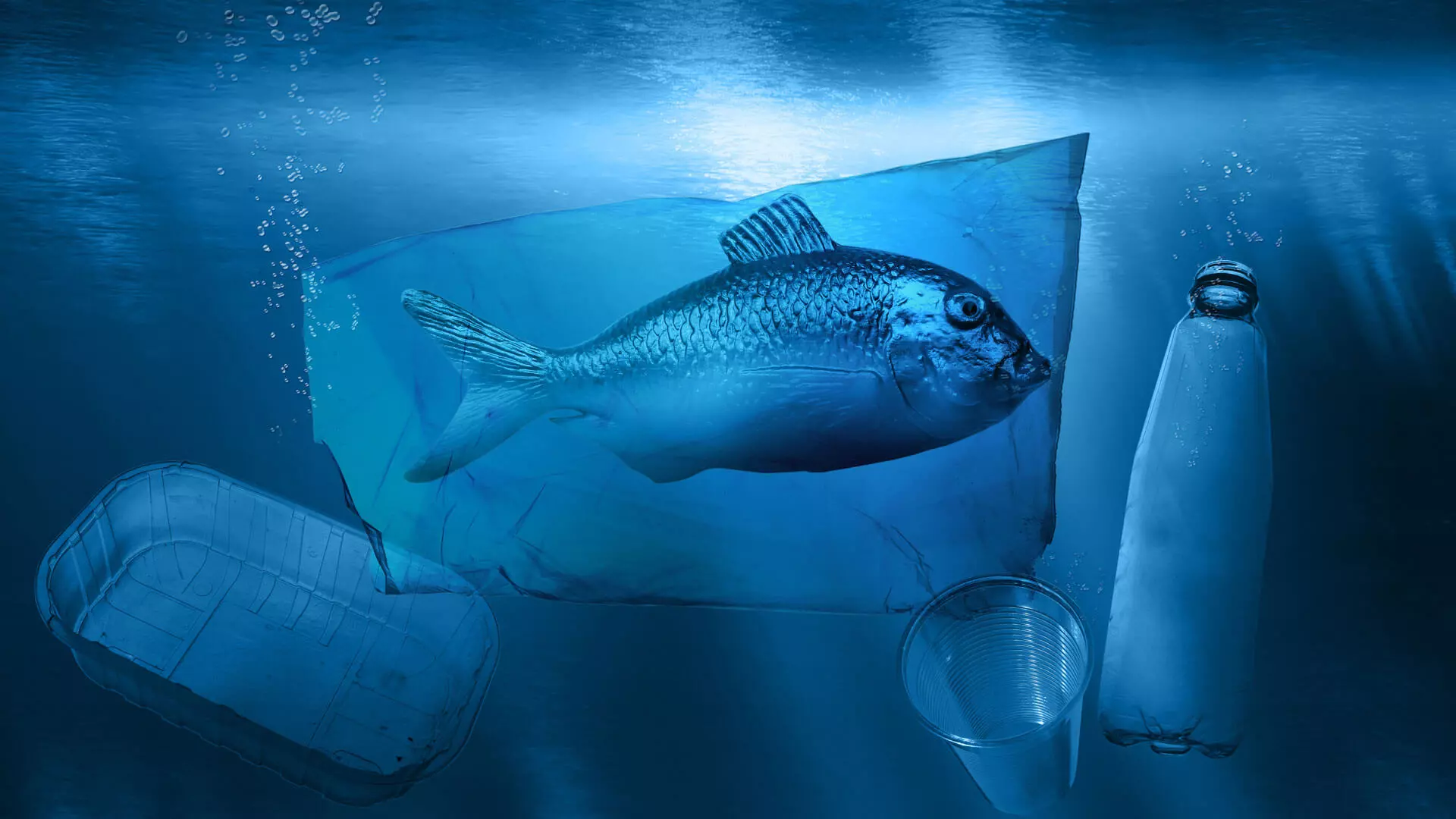
Legislation is Tightening for Green Packaging Manufacturers
Green packaging has become a consumer obsession. Consumers are demanding biodegradable plastic packaging for their food products, and doing more research on how packaging is manufactured and disposed of.
Governments and international bodies are responding to public concerns by introducing new laws to control packaging waste management and disposal. They are paying close attention to the scientific evidence behind the eco-friendly claims made by food manufacturers and processors.
The Truth About Biodegradable Plastic Packaging
- Biodegradable claims are being made for marketing purposes
- New certifications identify issues with biodegradable packaging
- Needs to be recyclable and as strong as conventional packaging
- Certification standards help separate genuine biodegradation from marketing claims
Biodegradable plastic packaging claims are being made for marketing purposes
Most plastic packaging options labelled as “biodegradable” are no more environmentally friendly than non-biodegradable plastics. Manufacturers of plastic packaging know that consumers want sustainable packaging options and take any opportunity they can to state products are biodegradable.
New certifications identify issues with biodegradable packaging
In the past this was not difficult because there was no simple quality certification that would identify products that require special treatment and are not naturally biodegradable. Research into biodegradable plastics and new quality certifications have exposed the limitations of conventional biodegradable packaging to the public, who now want something better.
Needs to be recyclable and as strong as conventional packaging
Biodegradable plastics have a poor reputation with consumers and manufacturers because they generally lack the strength, durability and clarity of conventional plastics. They are also not easy to recycle. What people want is sustainable packaging that performs exactly the same as non-biodegradable plastic and can be recycled.
Certification standards help separate genuine biodegradation from marketing claims
Independent certification against a defined standard is the most reliable way to distinguish genuinely biodegradable materials from those that carry unsupported claims. A material described as biodegradable should be tested for how completely it breaks down, under what conditions, and over what timeframe.
UN Exposes Harmful Biodegradable Plastic Packaging
In 2015 the UN exposed exaggerated and misleading claims by biodegradable plastics manufacturers seeking to exploit the demand for sustainable packaging options. In their report Biodegradable Plastics and Marine Litter: Misconceptions, concerns and impacts on marine environments, the UN raised concerns that many biodegradable plastics are simply marketing exercises and do not safeguard the environment.
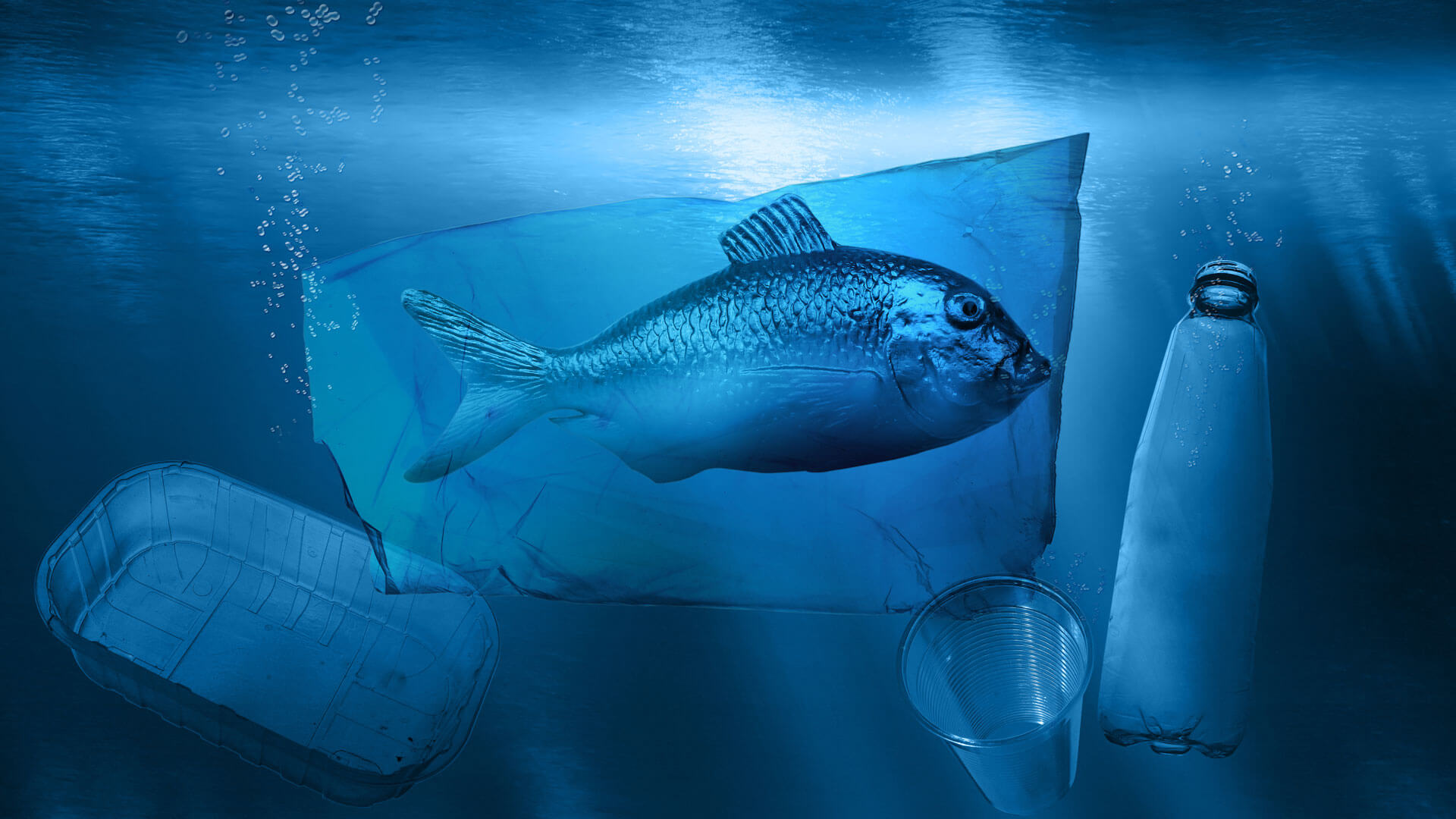
The UN highlighted several problems with current biodegradable plastic technology:
- Oxo-degradable plastics produce harmful micro-particles
- Many “biodegradable” plastics require special treatment
- Biodegradable labelling encourages littering
Biodegradable plastic packaging using oxo-degradable manganese were singled out as not achieving benefits in microparticle reduction in real-world scenarios. The UN found plastics labelled as ‘biodegradable’ that require industrial processes and high temperatures that do not occur in the natural environment. These plastics are not naturally biodegradable in litter and landfill disposal. The UN is worried that they may even encourage people to litter if they think the plastic is harmless to the environment.
Greenpeace Raise Continued Concerns About Biodegradable Packaging
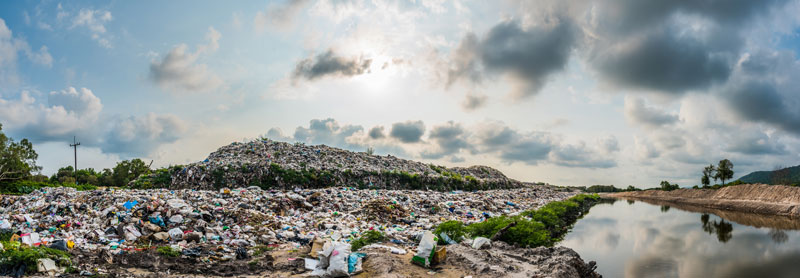
Recently Greenpeace raised the issue again when they published a report in December 2020 on the state of biodegradable packaging industry which indicates that most biodegradable plastics are still not good enough and require specialist handling and treatment.
“The use of biodegradable plastics often encounters the question: Can I recycle biodegradable plastics? The simple answer is: No. Although biodegradable plastics, in theory, are valuable to recycle, current biodegradable plastics are not designed to be recycled, nor do dedicated recycling channels exist.” (Greenpeace, 2020 Report)
Greenpeace were unable to find any biodegradable plastics in their study that were made of currently recyclable materials, and stated this was a serious issue that made biodegradable plastics potentially more harmful than recyclable plastics.
Measuring Truly Biodegradable Technology: PAS 9017
A new certification regime, PAS 9017 Plastics. Biodegradation of polyolefins in an open-air terrestrial environment, has been developed to provide an evidence based method of evaluating the claims of biodegradable plastic packaging manufacturers.
PAS 9017 addresses the UN concerns about microplastic generation from biodegradable plastics, and oxo-degradable plastics are unable to meet the PAS 9017 certification requirements.
Evaluating Biodegradable Claims
The practical takeaway is that biodegradability claims only carry weight when they are tied to a recognised standard such as PAS 9017, a defined environment, and a defined timeframe. Claims without that backing should be treated with caution.
At South Plastic our focus is on recyclable PP and rPET food packaging that meets international food safety standards without compromising strength, clarity, or tamper-evident performance. Contact us to discuss the right packaging for your products.