Promoting Efforts Toward a Circular Society
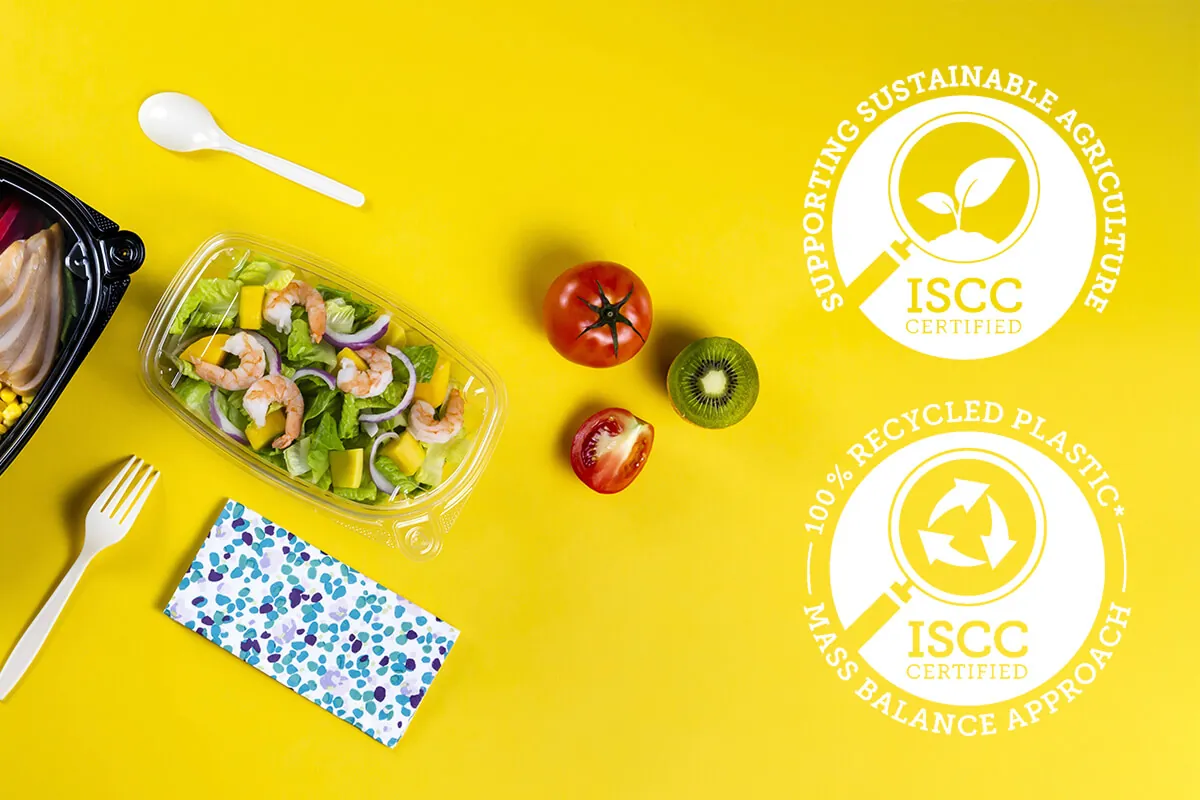
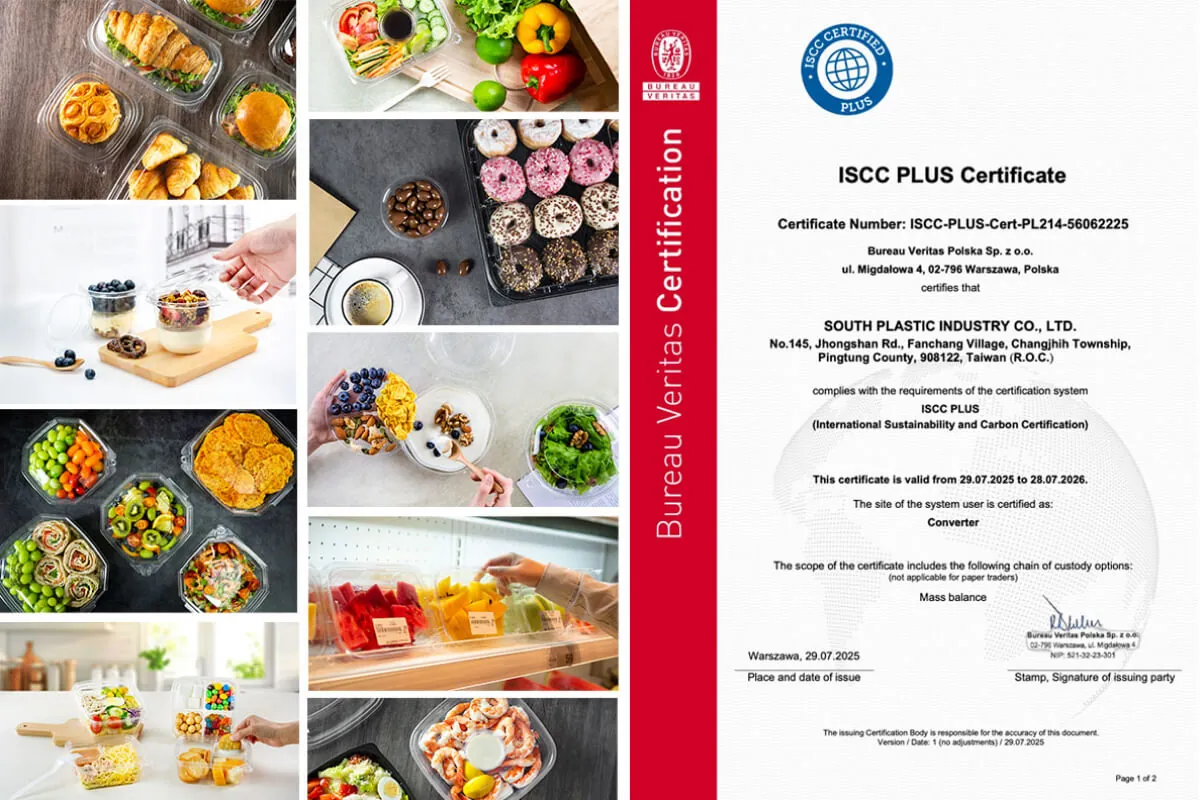
We are pleased to announce that SPI (South Plastic) has achieved ISCC PLUS certification, covering three categories: Biocircular, Circular, and Bio, with traceability verified through ISCC mass balance. This milestone strengthens our ability to offer traceable, sustainably attributed materials for plastic food containers and retail packaging.
Table of Contents
What Is ISCC?
ISCC (International Sustainability & Carbon Certification) is a global certification scheme that verifies the sustainable origin and traceability of biomass and recycled feedstocks across the entire supply chain using a mass balance approach. ISCC provides robust, audit-ready documentation that helps buyers confirm material sustainability claims.
Today, ISCC is one of the most widely recognized sustainable packaging certification frameworks in the world, implemented in more than 130 countries with over 13,000 valid certificates globally. For buyers, ISCC delivers credible third-party verification that strengthens supply chain transparency and supports defensible sustainability claims.
Two ISCC Schemes
- ISCC EU: Focused on biofuels within the EU market, aligned to RED II (Renewable Energy Directive) requirements.
- ISCC PLUS: Applicable to a wide range of markets and industries worldwide, including food, feed, chemicals, packaging, and energy.
ISCC PLUS certification is particularly relevant for brands and converters seeking to integrate certified content into plastic containers and food packaging while maintaining quality and compliance.
ISCC PLUS Categories Explained
- Bio (Biomaterials): Biomass sourced from agriculture, forestry, or fisheries, routed via mass balance allocation.
- Circular: Recycled renewable resources that would otherwise be discarded or incinerated, such as post-use plastics, textiles, and tires.
- Biocircular: Circular resources derived from biomass residues and waste streams, including agricultural, forestry, industrial, or municipal residues.
- Renewable / E-fuels: Materials or fuels produced using renewable energy sources.
Mass Balance Explained
Mass balance is a chain-of-custody accounting method that tracks certified inputs through co-processing and allocates a verified share to outputs, enabling auditable sustainability claims. Mass balance certification provides the documentation framework that connects raw material sourcing to finished product claims.
- Why it is used: Mass balance allows bio-based and recycled feedstocks to be scaled within existing production lines, improving transparency and increasing recycling rates without requiring dedicated infrastructure.
- How claims work: The certified share is recorded and declared as a percentage (for example, 30%), providing clear documentation for buyers and auditors.
SPI’s Certified Materials: Available Now
With our newly acquired ISCC PLUS certification, SPI can support a wider range of markets and applications, helping our partners move forward with more sustainable manufacturing. The following ISCC PLUS certified materials are available now:
Non-Edible Plant-Derived Bio-PP (Bio Category)
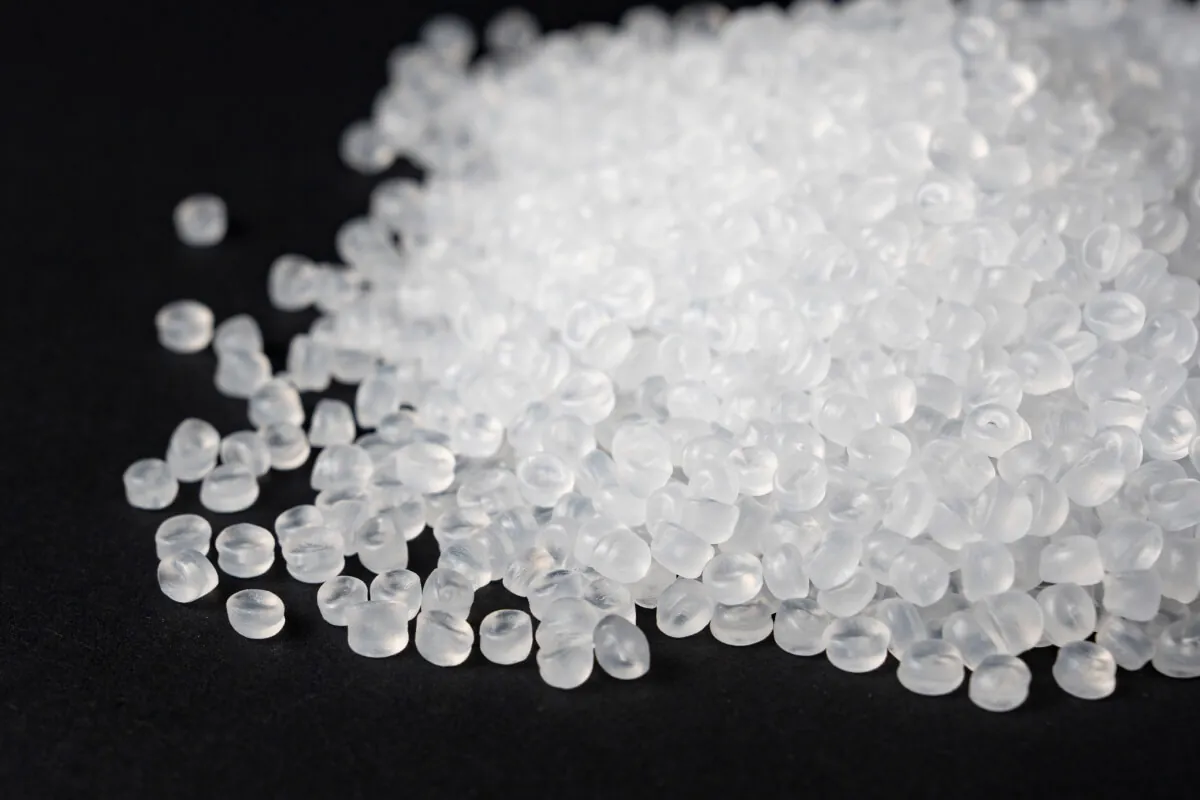
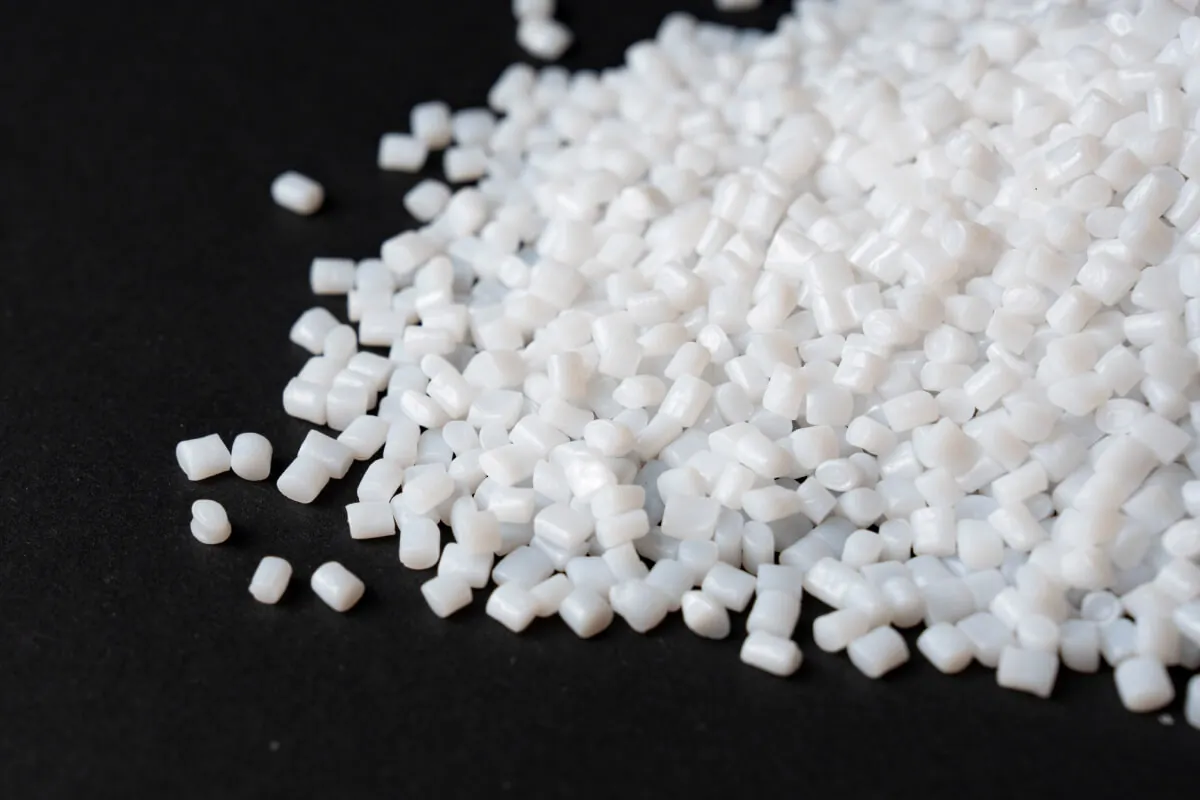
Bio-based polypropylene (Bio-PP) made from non-edible plant sources such as stems, so it does not compete with food crops. Because the plants absorb CO2 as they grow, this pathway supports carbon fixation and can help reduce lifecycle CO2 emissions compared with fossil-based PP.
Chemically Recycled rPET (Circular Category)
Compared with virgin PET resin, chemically recycled rPET can deliver lower CO2 emissions. It also offers excellent clarity and robust impact performance versus typical mechanically recycled rPET, supporting higher-quality, more sustainable packaging solutions.
We Support Your Sustainable Packaging Goals
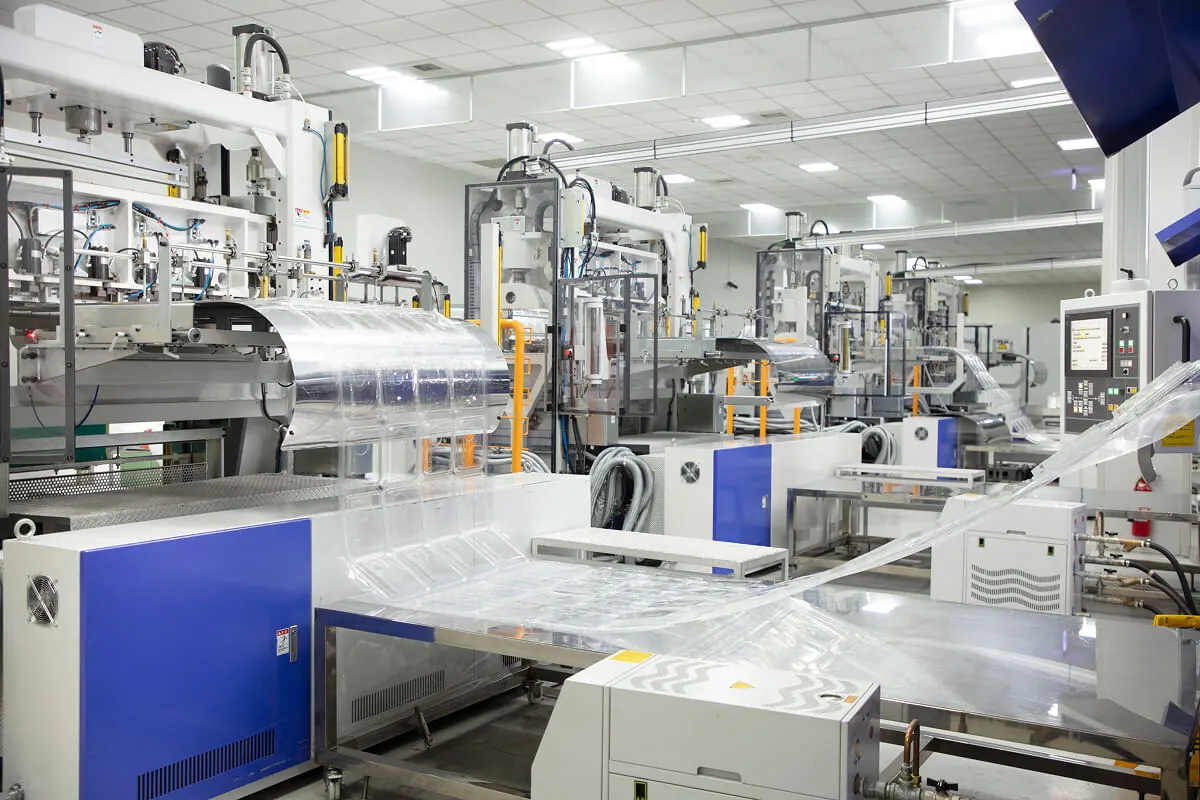
ISCC PLUS certification is a meaningful step in how we support your sustainable packaging goals. With mass-balance-attributed Bio-PP and chemically recycled rPET, you get verified percentage claims, clear paperwork, and guided pilots so you can move forward with confidence.
About SPI
SPI is a Taiwan-based manufacturer of food-grade plastic containers serving buyers across Japan and global markets. We offer both catalog products and OEM/ODM custom development, from design and mold making to mass production, across materials such as PP, PET, and rPET. Our portfolio includes tamper-evident containers, microwave-ready PP solutions, ultra-clear display packaging, and sushi trays and lids for retail presentation.